
Introduction
Tanking slurry is one method used to help control water entering a basement or cellar through its walls or floor. It is usually a cement-based waterproof coating that forms a barrier when applied to a suitable, properly prepared surface. It is often discussed as part of basement tanking and waterproofing, but the coating is only one element of a wider system.
Whether it is appropriate depends on the building’s construction, the source of water and the intended use of the space. A system that works in one cellar may be unsuitable in another, particularly where groundwater pressure, structural movement or traditional materials are involved. Understanding barrier and drained protection helps explain why the choice depends on both the building and how the space will be used.
What Is Tanking Slurry and How Does It Work?
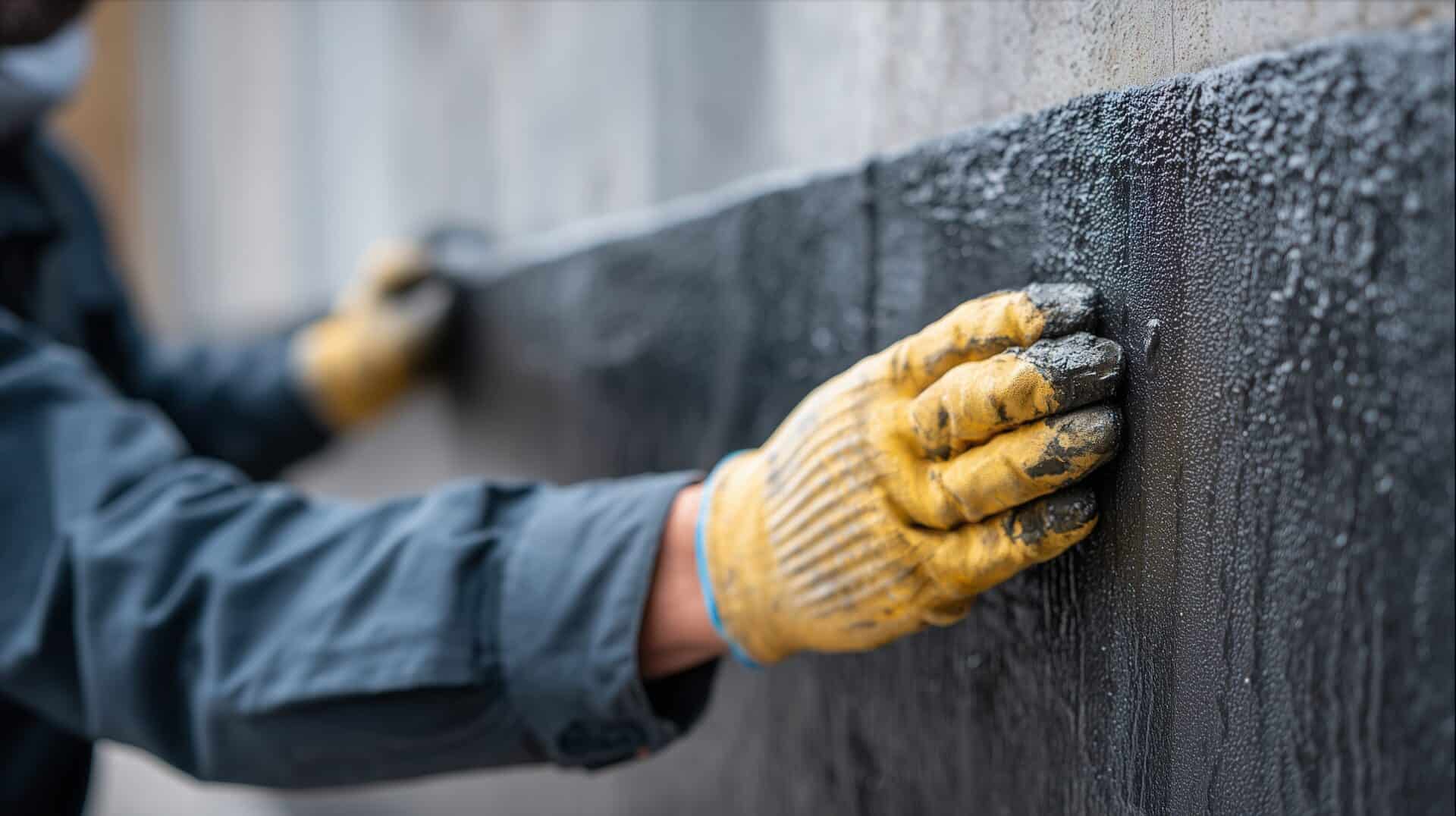
Tanking slurry is a specialist cementitious coating designed to create a water-resistant barrier on a suitable masonry or concrete surface. Once applied and cured in accordance with the product specification, it forms a continuous layer intended to resist water passing through the treated part of the structure. It is commonly associated with below-ground walls and floors, where soil and groundwater can place the building fabric under pressure.
A cementitious tanking system is generally considered a form of Type A barrier protection under BS 8102:2022. This classification describes the protection approach; it does not guarantee that any coating will make a basement waterproof. Performance depends on the product, substrate, detailing, continuity and overall design. The Property Care Association’s structural waterproofing guidance explains the different forms of below-ground protection.
The barrier must remain continuous around the areas being protected. Gaps at wall-floor junctions, service pipes, cracks or changes in construction can provide routes for water to pass. The coating also relies on a sound surface to which it can bond. Tanking slurry is therefore one component of a designed waterproofing system, not a quick paint-on answer to any damp mark.
Where Is Tanking Slurry Used in Basements and Cellars?
Tanking slurry may be considered where suitable masonry or concrete needs barrier protection from moisture entering from the surrounding ground. Depending on the design, this can include below-ground retaining walls, cellar walls and sections of a floor. Sound concrete or stable masonry with manageable water conditions may be suitable for a designed barrier system, subject to assessment of the whole structure.
The required level of protection depends partly on the intended use. A storage cellar may have different performance requirements from a room intended for regular occupation. BS 8102 uses grades to describe the internal environment expected from a below-ground structure. The appropriate grade should be considered at the design stage: an occupied space may require tighter control of water ingress and dampness than occasional storage. Cellar damp proofing is not a single standard treatment; the specification must reflect the room’s purpose.
The construction and water conditions matter too. A basement with a high water table, active water entry or structural movement may need a drainage-based or combined solution rather than a barrier coating alone. The phrase basement damp proofing can describe different problems, so the system must match the actual source and conditions. Cellar tanking is one possible approach, but cellar waterproofing must be specified for the building and its intended use.
Why Proper Surface Preparation Matters Before Applying Tanking Slurry
Preparation is central to the performance of a bonded tanking system. The surface needs to be suitable for the specified coating, with loose material, dust, old finishes and contaminants dealt with in accordance with the product guidance. If a coating is applied over weak or poorly bonded material, it may attach to that layer rather than to the underlying masonry or concrete. This can contribute to loss of adhesion or local failure.
Cracks, joints, service penetrations and the junction between walls and floors also need to be assessed. These details can interrupt the continuity of the barrier, so they may require compatible repair or detailing as part of the designed system. Salts and previous coatings can affect the condition of the substrate and the preparation method selected. The correct response depends on the materials present and the product specification; covering a stained area does not resolve a defective surface.
Older brickwork, soft mortar, concrete repairs and previous waterproofing treatments may all affect how a coating performs. Where the substrate is friable, contaminated or moving, those defects may need to be addressed before a tanking product is considered.
How Professionals Apply Tanking Slurry to Basement Walls and Floors
The application method depends on the selected product, substrate and waterproofing design. Professionals work to the manufacturer’s instructions, including requirements for mixing, coverage, application conditions, coats and curing. These details should not be generalised into one method because products and site conditions differ.
The installer must understand how the barrier is intended to continue across walls, floors, corners and service entries. The wall-floor junction is particularly important because water can exploit a break in the protective layer. Any repairs, fillets, reinforcement or additional components must be compatible with the specified system and included in the overall design.
After application, the coating needs the protection and curing conditions set out by its manufacturer. Other building work, finishes or floor coverings should not compromise the barrier or conceal unresolved defects. The work must also be coordinated with drainage, service penetrations and planned finishes so later trades do not damage or bridge the protective layer. A professional installation involves careful detailing and checks that the finished barrier is continuous.
Tanking Slurry vs Cavity Drainage: What Is the Difference?
Tanking slurry and cavity drainage manage water below ground in different ways. A cementitious tanking system is generally associated with Type A barrier protection under BS 8102:2022: it is intended to resist water passing through a suitable wall or floor. A cavity drainage system is associated with Type C drained protection. It uses a profiled membrane to create a cavity beside the basement wall or floor, where water is collected by channels and directed to an outlet, such as a sump and pump or a gravity route where the design allows.
The practical differences matter when planning a room. A slurry coating is thin and usually has little effect on floor area or headroom. A cavity drainage installation may need a membrane, battens or lining, perimeter channels and a floor build-up, reducing usable dimensions depending on the design. Both can be disruptive: tanking requires finishes to be removed where necessary to expose and prepare the structure, while cavity drainage needs space for channels, drainage routes and pump access where fitted.
Maintenance and future access also differ. A barrier system does not normally rely on a pump, although its integrity and the structure still need attention. A Type C system needs clear drainage routes and checks of any pump, alarm and power arrangements in line with its requirements. Owners should understand what happens during a power cut or equipment failure. A bonded coating can be difficult to remove without affecting the substrate; a cavity system may provide access to drainage components if suitable access points are built in, but it is not automatically reversible once finished.
Neither system is automatically best. The choice depends on the building, water conditions, intended use, available space and required performance. A combined approach may be considered. Good basement waterproofing design weighs disruption, usable room dimensions and future maintenance alongside the specification.
When Might an Alternative Basement Waterproofing System Be More Suitable?
An alternative or combined system may be needed where water pressure is high or variable, the structure is cracked or moving, or the substrate is too weak for a reliable bond. A barrier coating cannot correct structural defects, and the building must withstand groundwater loads. A high water table or repeated active water entry may affect the choice between barrier and drained protection.
Traditional buildings require particular care. Solid brick, stone and lime-based construction manage moisture differently from modern cavity-wall buildings. Historic England’s guidance on traditional buildings and flooding cautions that tanking and other impermeable treatments can be inappropriate because they may slow drying and affect the building fabric. Any treatment should reflect the materials, condition and significance of the building.
Tanking slurry is intended to resist liquid water passing through a structure; it does not correct condensation caused by humid air meeting a cold basement wall. If the source is unclear, a professional damp survey can help distinguish groundwater, building defects and condensation. Where water enters through an external wall above ground, the issue may instead involve penetrating damp and need a different investigation. If the source of the moisture is unclear, our damp proofing team in Hayes can help you work out what to investigate first.
Choosing the Right Basement Waterproofing Approach
Choosing between tanking slurry and cavity drainage is not simply a matter of comparing products. The condition and construction of the basement, the source of moisture, the intended use of the space and the level of protection required all influence which approach is suitable. A system should be selected after the structure and risks have been properly assessed.
If you are concerned about water entering a basement or cellar, Apollo Damp Proofing can discuss the problem and available options. Find out more about our tanking services and arrange an assessment before deciding on a treatment.